SENCON
SENCON 2026 | Day 1 – The International Conference of African Architects opens with Panel 1 on “Reinventing the act of building: innovation, sustainability and the future of architecture”
A look back at the opening ceremony and Panel 1 – Day 1
Reinventing the act of building: innovation, sustainability and the future of architecture
A look back at the opening ceremony and Panel 1 – Day 1
International Conference of African Architects – SENCON 2026
On 5 February 2026, as part of the International Conference of African Architects, organised on the sidelines of SENCON 2026 and the Bâti Exhibition at the Dakar – Diamniadio Exhibition Centre, the Senegal Order of Architects (ODAS) kicked off the proceedings with an official opening ceremony, followed by Panel 1 on the theme:
“Reinventing the act of building: innovation, sustainability and the future of architecture”.
An opening ceremony under the banner of vision and commitment
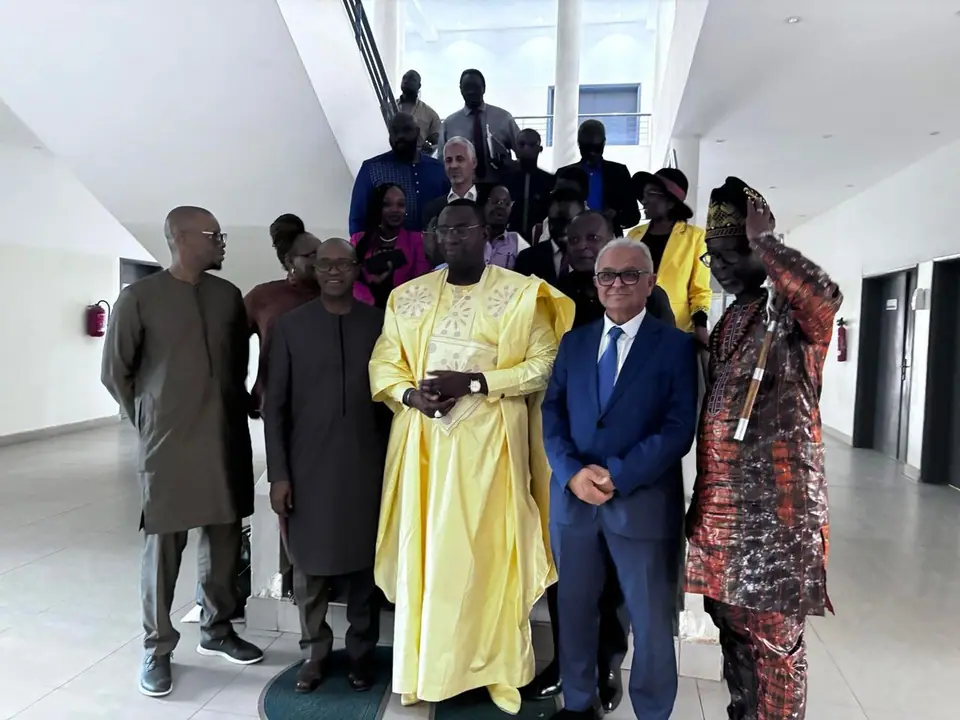
The opening ceremony was a solemn moment, bringing together institutional authorities, built-environment professionals, technical and financial partners, and African delegations.
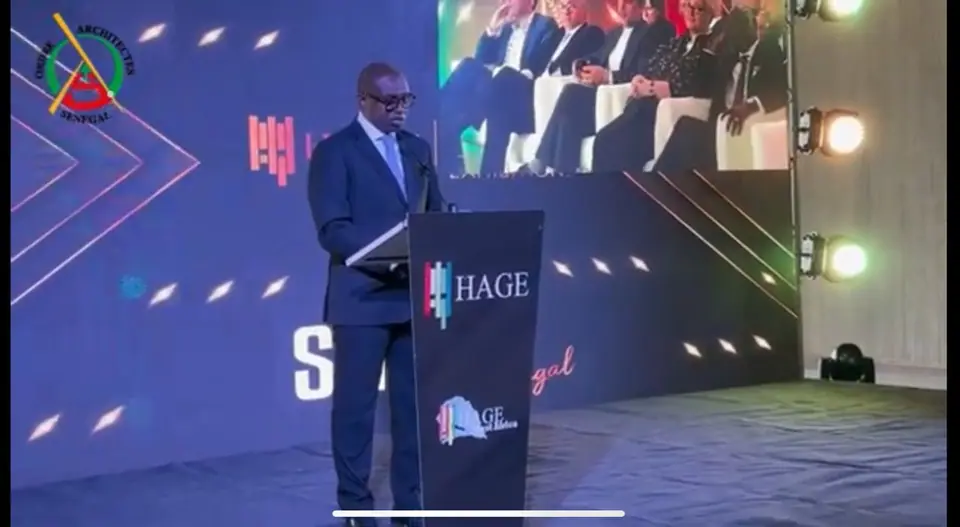
In his address, the President of the Senegal Order of Architects, Mr Massamba Lamsar Diop, recalled the strategic role of architecture in the development of African nations. He stressed the urgency of rethinking urban models in the face of accelerating urbanisation, climate challenges and the socio-economic transformations of the continent.
The various speeches converged on a single ambition:
to make architecture a structuring lever for resilience, cultural identity and technical sovereignty.
This official opening thus set the framework for a conference geared towards action, reform and contextualised innovation.
Panel 1: Reinventing the act of building
Following this ceremony, Panel 1 opened the conference's technical and strategic discussions.
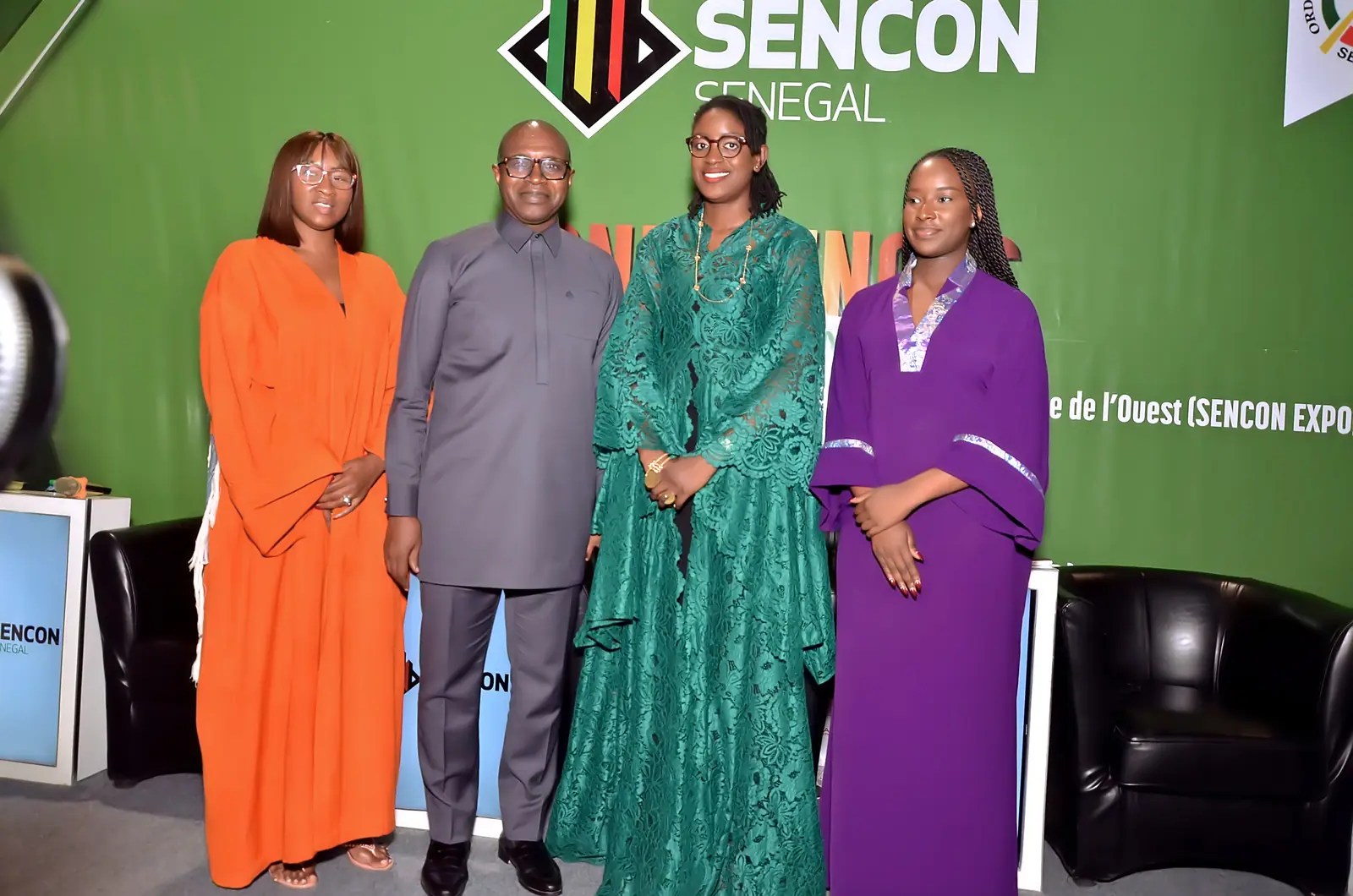
The panel brought together:
• Mr Massamba Lamsar Diop, President of ODAS;
• Ms Aminata Wane, Director General of Urban Planning and Architecture;
• Ms Tigui Dramé, Project Manager, Architect and Urban Planner at UN-HABITAT.
The moderator was Ms Wolette Thiam, Architect and Urban Planner, who structured the discussions skilfully and fostered an in-depth dialogue on the changes under way in the sector.
This first highlight laid the foundations for strategic reflection on the future of urban planning and architecture in Africa.
Innovation designed for our territories
The discussions made clear that innovation in architecture cannot be limited to the technological dimension alone.
While digital tools, smart systems and new construction methods offer promising prospects, they only make full sense when adapted to the social, economic and climatic realities of our territories.
On a continent facing land pressure, climate vulnerability and rapid urban growth, it is essential to promote innovation rooted in local know-how, traditional materials and bioclimatic principles.
Reinventing the act of building means reconciling modernity and heritage, performance and identity.
An essential structural reform
The discussions introduced a major nuance:
the transformation of African architecture cannot take place without systemic reform.
Building differently is not solely a matter of political will. It is a structured process that goes through several essential stages.
Rethinking educational programmes
Our schools of architecture and engineering still mostly teach frameworks inherited from European standards.
Concrete has become the dominant material, not only through tradition but because it corresponds to the normative frameworks and teaching content handed down for decades.
By contrast, African identity materials - raw earth, fired clay, local stone, bio-based materials - are little integrated into calculation, sizing and structural-performance modules.
Engineers are not taught to calculate for these materials.
Architects have few tools to design with them at scale.
Reform therefore begins with upgrading educational programmes.
Training and empowering the workforce
The transformation also requires upskilling technicians, craftspeople and companies.
Without suitable training, it is difficult to create an operational momentum towards an architecture with its own identity.
Industrialising local materials
Industrialisation is a strategic lever.
It makes it possible to ensure quality, repeatability and economic competitiveness.
Without industrial structuring, local materials remain marginalised.
Updating standards and certifying materials
A major obstacle lies in current building codes.
When local materials are not integrated into normative frameworks, their certification becomes complex and obtaining building permits is compromised.
It becomes essential to:
- Revise normative reference documents;
- Adapt building codes;
- Officially integrate African identity materials;
- Facilitate their regulatory certification.
Innovating in the act of designing
It is only after these stages - training, empowerment, industrialisation and certification - that innovation can truly express itself.
Innovating in the act of building means designing with these materials and structuring a coherent, sustainable and culturally embraced urban fabric.
It is not about opposing tradition and modernity, but about producing an architecture that is resilient, high-performing and deeply African.
Bâti: a collaborative dynamic
In parallel, the Bâti Exhibition illustrated an African and collaborative approach to architecture, highlighting the continent's know-how and Africa's ability to offer solutions that are rooted and open to the world.
A conference looking to the future
Through this opening ceremony and this Panel 1, the Senegal Order of Architects reaffirmed its commitment to a responsible, sustainable architecture with its own identity.
This first day set the tone for a conference placed under the banner of dialogue, structural reform and the collective building of Africa's architectural future.
Reinventing the act of building is not a slogan.
It is a strategic project for the continent.
To relive the highlights of Day 1, see the photo gallery via the following link: https://drive.google.com/drive/folders/10HKOCJ653hjE-OFtP-Fz6Fd2uBbHsTCL?usp=drive_link
The summary video of Panel 1 is also available via the link below: https://drive.google.com/file/d/1DLrc9p2plu1u5gfMje3y3LQdNYfjNmJU/view?usp=sharing